
Spondylosis
Home > Spondylosis
Services
Contact Info
Expert chiropractic care for pain relief, improved mobility, and better movement.
+1-(314) 892-2600
24/7 Support for Your Business
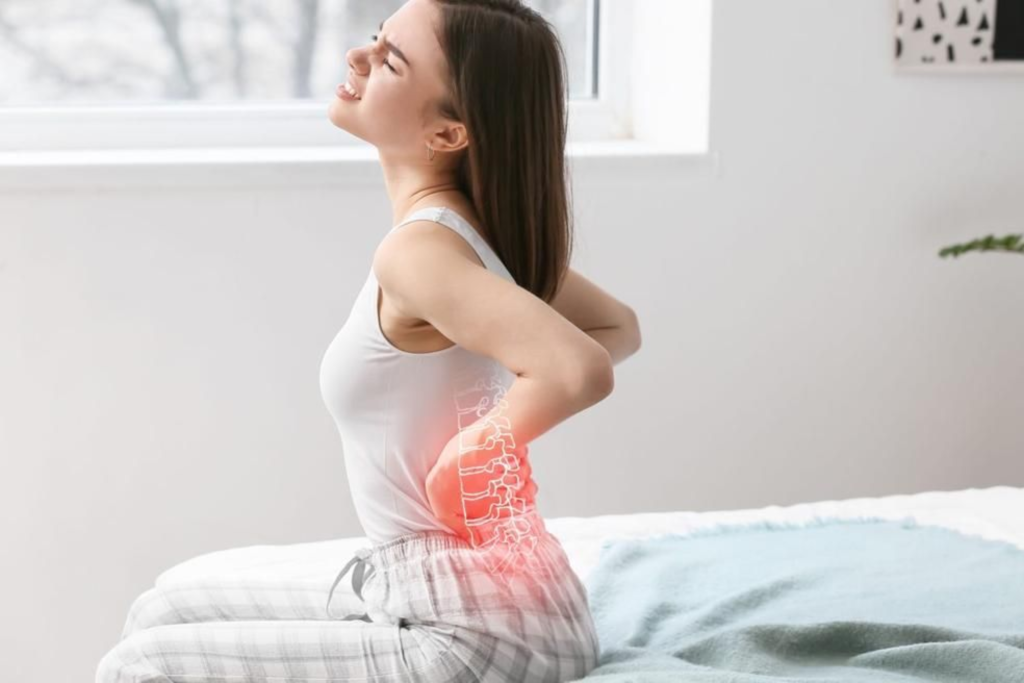
Spondylosis
Spondylosis is a common condition associated with age-related changes in the spine. It can affect the neck, upper back, or lower back and may develop gradually over time. Changes in the spinal discs, joints, and surrounding structures can contribute to stiffness, reduced flexibility, and discomfort. Although spondylosis is often associated with ageing, factors such as poor posture, repetitive activities, previous injuries, prolonged sitting, and lack of physical activity may also contribute to spinal stress.
At our Chiropractic Care Clinic in South Delhi, we focus on understanding the factors affecting your spinal movement and developing a personalized approach to support mobility, comfort, and overall spinal health.
Common Symptoms of Spondylosis
- Neck or back pain
- Spinal stiffness, especially after resting
- Reduced flexibility and mobility
- Muscle tightness or discomfort
- Pain that increases with certain activities
- Difficulty maintaining comfortable posture
- Tingling, numbness, or weakness when nerves are affected
Common Causes & Contributing Factors
Spondylosis commonly develops as part of the natural ageing process. Over time, spinal discs may lose some of their flexibility, while joints and other spinal structures can undergo gradual changes. Additional factors that may contribute to symptoms include:
Poor sitting or standing posture
Long periods of desk work
Repetitive physical activities
Previous spinal injuries
Limited physical activity
Muscle weakness and reduced flexibility
Excessive or improper loading of the spine
Chiropractic Care for Spondylosis
Chiropractic care may help support better spinal movement and physical function. Treatment begins with an assessment of your symptoms, posture, mobility, and movement patterns. Based on the findings, a personalized care plan may include appropriate chiropractic techniques, mobility exercises, stretching, strengthening exercises, posture education, and lifestyle guidance.
The goal is not simply to manage discomfort temporarily but to improve movement patterns, support stronger muscles, and encourage healthier daily habits. Treatment should always be adapted to the individual’s condition and tolerance.
Improve Your Spinal Health
Living with stiffness or recurring back and neck discomfort can affect your work, exercise, sleep, and everyday activities. Early professional assessment can help identify contributing factors and guide appropriate care.
If you are experiencing symptoms associated with spondylosis, consult a qualified healthcare professional for an accurate evaluation. Chiropractic care may be considered as part of a broader, individualized approach to improving mobility and maintaining spinal health.
Start Your Journey Toward a Pain-Free Life

From back and neck pain to posture-related problems, stiffness, and mobility issues, our goal is to help you move with greater comfort and confidence. With professional care, modern techniques, and a patient-first approach, we are committed to supporting your journey toward better movement, improved well-being, and a healthier, more active lifestyle.
Quick Links
Conditions We Treat
Useful Links
- +91- 8802850371
- info@inmotionphysio.com
- C-26 GF, Main Road (Next to M Block), GK-1, South Delhi, New Delhi – 110048
Copyright © 2024 Clinic. Powered By Bosathemes.