
Slipped Disc Scoliosis
Home > Slipped Disc Scoliosis
Services
Contact Info
Expert chiropractic care for pain relief, improved mobility, and better movement.
+1-(314) 892-2600
24/7 Support for Your Business
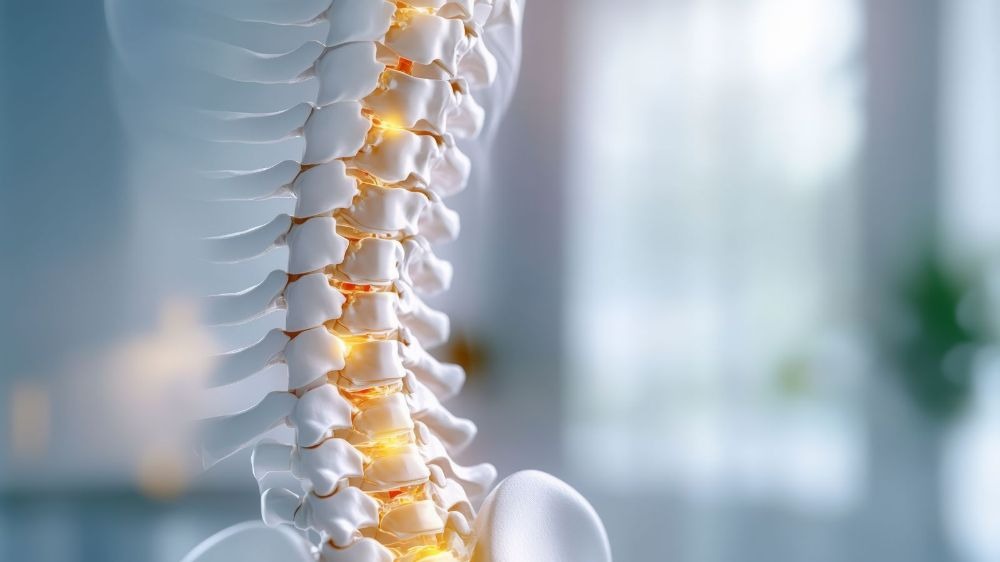
Slipped Disc & Scoliosis
Slipped Disc and Scoliosis are two different spinal conditions that can affect posture, movement, and overall physical function. A slipped disc, commonly referred to as a herniated or prolapsed disc, occurs when material from a spinal disc extends beyond its normal position and may irritate nearby nerves. Scoliosis is a condition in which the spine develops an abnormal sideways curvature, which can influence posture and movement patterns.
When these conditions occur together, symptoms and physical limitations can vary considerably from person to person. At Back In Motion, we focus on understanding your individual symptoms, posture, mobility, strength, and movement patterns to develop a personalized rehabilitation approach.
Slipped Disc
- Back or neck pain
- Pain extending into the arm or leg
- Tingling or numbness
- Muscle weakness
- Stiffness and reduced mobility
- Discomfort during certain movements
Scoliosis
Scoliosis involves an abnormal sideways curvature of the spine. It may develop during childhood or adolescence, although it can also occur later in life due to degenerative changes or other factors.
Uneven shoulders or hips
Changes in posture
One side of the back appearing more prominent
Spinal stiffness
Muscle imbalance
Back discomfort
Reduced movement efficiency
Assessment & Rehabilitation
At Back In Motion, assessment may include evaluating posture, spinal movement, muscle strength, flexibility, balance, and functional activities. The rehabilitation plan is designed according to the individual’s age, symptoms, spinal condition, and goals.
Treatment may include therapeutic exercises, strengthening, mobility training, posture education, movement retraining, stretching, and activity modification. For scoliosis, exercises may focus on improving strength, body awareness, balance, and functional movement. For disc-related symptoms, treatment may emphasize gradually restoring comfortable movement and improving physical capacity.
Lifestyle & Prevention
Maintaining an appropriate level of physical activity can support spinal health. Regular strengthening, good posture, ergonomic adjustments, proper lifting techniques, and avoiding prolonged periods in one position may help reduce unnecessary stress on the spine.
When to Seek Professional Care
Persistent pain, numbness, weakness, or changes in mobility should be professionally assessed. Progressive weakness, loss of bladder or bowel control, or numbness around the inner thighs or genital area requires urgent medical attention.
With appropriate assessment and individualized rehabilitation, Back In Motion can help support better movement, strength, posture, and confidence in everyday activities.
Start Your Journey Toward a Pain-Free Life

From back and neck pain to posture-related problems, stiffness, and mobility issues, our goal is to help you move with greater comfort and confidence. With professional care, modern techniques, and a patient-first approach, we are committed to supporting your journey toward better movement, improved well-being, and a healthier, more active lifestyle.
Quick Links
Conditions We Treat
Useful Links
- +91- 8802850371
- info@inmotionphysio.com
- C-26 GF, Main Road (Next to M Block), GK-1, South Delhi, New Delhi – 110048
Copyright © 2024 Clinic. Powered By Bosathemes.