
Spondylolisthesis
Home > Spondylolisthesis
Services
Contact Info
Expert chiropractic care for pain relief, improved mobility, and better movement.
+1-(314) 892-2600
24/7 Support for Your Business
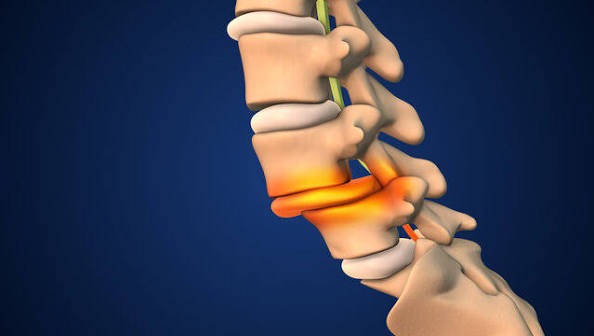
Spondylolisthesis
Spondylolisthesis is a spinal condition in which one vertebra shifts forward or backward in relation to the vertebra below it. It most commonly affects the lower back and can range from mild displacement with few symptoms to more significant movement that may cause pain or irritation of nearby nerves.
Spondylolisthesis can develop for different reasons, including natural age-related changes, repeated stress on the spine, sports-related activities, fractures, or developmental factors. Symptoms and severity vary from person to person, so an appropriate assessment is important before starting treatment.
At Back In Motion, we take a personalized approach to managing spinal conditions, focusing on movement, strength, posture, and functional ability while considering the individual’s diagnosis and symptoms.
Common Causes of Spondylolisthesis
- Repetitive stress on the spine
- Sports involving repeated bending or extension
- Age-related spinal changes
- Stress fractures of the vertebra
- Previous spinal injuries
- Congenital spinal differences
- Degenerative changes in spinal joints and discs
Common Symptoms
- Lower back pain
- Stiffness in the lower back
- Pain during prolonged standing or activity
- Tightness in the hamstrings
- Reduced spinal mobility
- Pain extending into the buttocks or legs
- Tingling or numbness
- Muscle weakness when nerves are affected
Assessment & Rehabilitation
At Back In Motion, assessment may include reviewing your symptoms, posture, spinal movement, muscle strength, flexibility, balance, and functional activities. Imaging such as X-rays or MRI may be recommended by a healthcare professional when clinically appropriate.
A personalized rehabilitation program may include core strengthening, hip and lower-body strengthening, mobility exercises, posture education, movement retraining, stretching, and activity modification.
The aim is to improve the strength and control of the muscles supporting the spine and help you perform everyday activities with greater confidence. Exercises are progressed gradually according to your symptoms and physical capacity.
Managing Spondylolisthesis
Maintaining appropriate physical activity can help support overall strength and function. Avoiding sudden increases in physical workload, using proper lifting techniques, taking movement breaks, and following a structured strengthening program may help reduce unnecessary stress on the spine.
Not every case requires surgery. Treatment depends on the severity of the condition, symptoms, neurological involvement, and response to conservative management.
When to Seek Professional Care
Persistent back pain, increasing leg symptoms, numbness, or weakness should be professionally evaluated. Progressive weakness, difficulty walking, loss of bladder or bowel control, or numbness around the inner thighs or genital area requires urgent medical attention.
With appropriate assessment and individualized rehabilitation, Back In Motion can help support better spinal stability, mobility, strength, and functional movement while working alongside appropriate medical care.
Start Your Journey Toward a Pain-Free Life

From back and neck pain to posture-related problems, stiffness, and mobility issues, our goal is to help you move with greater comfort and confidence. With professional care, modern techniques, and a patient-first approach, we are committed to supporting your journey toward better movement, improved well-being, and a healthier, more active lifestyle.
Quick Links
Conditions We Treat
Useful Links
- +91- 8802850371
- info@inmotionphysio.com
- C-26 GF, Main Road (Next to M Block), GK-1, South Delhi, New Delhi – 110048
Copyright © 2024 Clinic. Powered By Bosathemes.