
Osteoporosis
Home > Osteoporosis
Services
Contact Info
Expert chiropractic care for pain relief, improved mobility, and better movement.
+1-(314) 892-2600
24/7 Support for Your Business
Osteoporosis
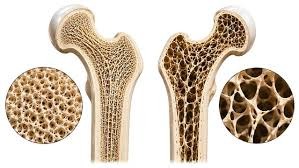
Osteoporosis is a condition that causes bones to become weaker, less dense, and more fragile, increasing the risk of fractures. It usually develops gradually and may not cause noticeable symptoms in the early stages. Because of this, osteoporosis is often referred to as a “silent” condition. When bone strength becomes significantly reduced, even a minor fall or everyday movement can sometimes result in a fracture, particularly in the hip, spine, or wrist.
Osteoporosis is more common with ageing, but several other factors can contribute to reduced bone strength. Maintaining appropriate physical activity, muscle strength, balance, posture, and overall health can play an important role in supporting mobility and reducing the risk of falls.
Common Signs & Symptoms
- Back pain or discomfort
- Loss of height over time
- Changes in posture
- Increased risk of fractures
- Reduced strength and mobility
- Difficulty performing certain daily activities
Risk Factors
Osteoporosis may be influenced by ageing, hormonal changes, family history, low physical activity, inadequate calcium or vitamin D intake, smoking, and certain medications or medical conditions.
- Lower or upper back discomfort
- Muscle tightness and stiffness
- Difficulty bending or moving
- Reduced flexibility
- Pain after prolonged sitting or standing
- Discomfort during everyday activities
- Pain that may extend toward the hips or legs
Exercise & Rehabilitation
Appropriate exercise can be an important part of maintaining physical function for people with osteoporosis. However, exercises should be selected according to an individual’s bone health, strength, balance, age, and fracture history.
A professionally guided rehabilitation program may include strengthening exercises, balance training, posture education, mobility exercises, functional training, and fall-prevention strategies. Strengthening the muscles that support the spine, hips, and legs can help improve stability and physical confidence.
Exercises involving excessive spinal bending, twisting, or high impact may not be suitable for everyone, especially individuals with a history of fractures. Professional assessment is therefore important before starting a new exercise program.
Chiropractic Care & Osteoporosis
People with osteoporosis require special consideration when receiving manual or chiropractic treatment. Treatment should only be provided after an appropriate assessment, and high-force spinal manipulation may not be appropriate for individuals with significant bone weakness or fracture risk.
A qualified healthcare professional can help determine suitable approaches, which may include gentle movement, posture guidance, supervised strengthening, and safe mobility strategies.
Supporting Better Bone Health
Managing osteoporosis involves more than focusing on pain. Regular medical evaluation, appropriate nutrition, safe physical activity, fall prevention, and prescribed treatment can help support bone health and independence.
If you have osteoporosis, suspected bone loss, or a history of fractures, consult a qualified healthcare professional before beginning chiropractic treatment or exercise. A personalized plan can help you stay active while prioritizing safety, mobility, strength, and long-term well-being.
Start Your Journey Toward a Pain-Free Life

From back and neck pain to posture-related problems, stiffness, and mobility issues, our goal is to help you move with greater comfort and confidence. With professional care, modern techniques, and a patient-first approach, we are committed to supporting your journey toward better movement, improved well-being, and a healthier, more active lifestyle.
Quick Links
Conditions We Treat
Useful Links
- +91- 8802850371
- info@inmotionphysio.com
- C-26 GF, Main Road (Next to M Block), GK-1, South Delhi, New Delhi – 110048
Copyright © 2024 Clinic. Powered By Bosathemes.