
Back Pain
Home > Back Pain
Services
Contact Info
Expert chiropractic care for pain relief, improved mobility, and better movement.
+1-(314) 892-2600
24/7 Support for Your Business
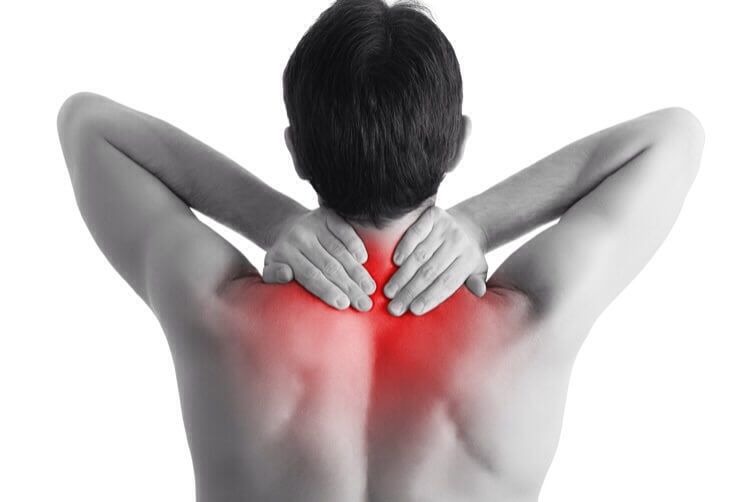
Cervical Spinal Canal Stenosis
Cervical Spinal Canal Stenosis is a condition in which the spinal canal in the neck region becomes narrower, potentially putting pressure on the spinal cord or nearby nerves. It can develop gradually, often due to age-related changes in the spine, disc problems, arthritis, or thickening of spinal ligaments. Some people may have cervical spinal stenosis without noticeable symptoms, while others can experience neck pain, stiffness, numbness, weakness, or changes in coordination.
Early assessment is important because symptoms involving the spinal cord or nerves may require specific medical management.
Common Causes
- Age-related changes in the spine
- Bulging or herniated discs
- Arthritis and joint degeneration
- Bone spurs
- Thickening of spinal ligaments
- Previous neck injuries
- Congenital narrowing of the spinal canal
Common Symptoms
Symptoms can vary depending on the degree of narrowing and whether the spinal cord or nerve roots are affected. Common symptoms may include:
- Neck pain or stiffness
- Shoulder or upper-back discomfort
- Pain extending into the arms
- Numbness or tingling in the hands or arms
- Weakness in the arms or hands
- Reduced hand coordination
- Difficulty with balance or walking
- Changes in fine motor movements
Diagnosis & Assessment
A healthcare professional may evaluate your medical history, symptoms, posture, strength, reflexes, sensation, coordination, and walking pattern. Imaging such as X-rays or MRI scans may be recommended when clinically appropriate to assess the spinal canal and surrounding structures.
Rehabilitation & Chiropractic Care
Management depends on the severity of symptoms and whether there is spinal cord or nerve involvement. For suitable individuals, conservative rehabilitation may include gentle mobility exercises, posture education, strengthening, stretching, balance training, and activity modification.
Chiropractic care should be approached cautiously in people with cervical spinal canal stenosis. High-force or inappropriate neck manipulation may not be suitable, particularly when significant spinal cord compression or neurological symptoms are present. A qualified healthcare professional should determine whether manual therapy is appropriate.
Supporting Neck Health
Maintaining appropriate physical activity, improving posture, strengthening supporting muscles, and avoiding activities that significantly aggravate symptoms may help support functional mobility. Exercises should be individually selected and performed within safe limits.
Start Your Journey Toward a Pain-Free Life

From back and neck pain to posture-related problems, stiffness, and mobility issues, our goal is to help you move with greater comfort and confidence. With professional care, modern techniques, and a patient-first approach, we are committed to supporting your journey toward better movement, improved well-being, and a healthier, more active lifestyle.
Quick Links
Conditions We Treat
Useful Links
- +91- 8802850371
- info@inmotionphysio.com
- C-26 GF, Main Road (Next to M Block), GK-1, South Delhi, New Delhi – 110048
Copyright © 2024 Clinic. Powered By Bosathemes.