
Facet Joint Arthropathy
Home > Facet Joint Arthropathy
Services
Contact Info
Expert chiropractic care for pain relief, improved mobility, and better movement.
+1-(314) 892-2600
24/7 Support for Your Business
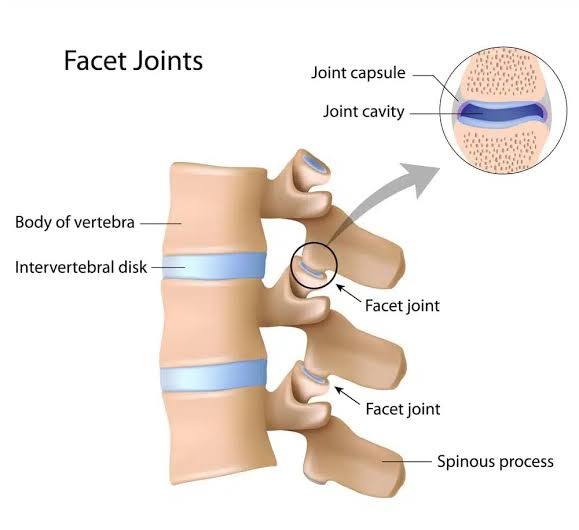
Facet Joint Arthropathy
Facet Joint Arthropathy is a condition involving the small joints located at the back of the spine. These facet joints help stabilize the spine and allow controlled movements such as bending, twisting, and turning. Over time, wear and tear, ageing, previous injuries, repetitive stress, or changes in spinal movement can affect these joints and contribute to pain and stiffness.
Facet joint problems can occur in the neck (cervical spine), upper back (thoracic spine), or lower back (lumbar spine). Symptoms may vary depending on which joints are affected and how severe the changes are.
Common Causes
- Age-related wear and tear
- Repetitive spinal movements
- Previous injuries or trauma
- Poor posture
- Reduced muscle strength
- Excessive stress on the spine
- Changes associated with osteoarthritis
- Reduced spinal mobility
Common Symptoms
- Localized neck or back pain
- Stiffness, especially after periods of inactivity
- Pain during twisting or bending
- Discomfort when standing for extended periods
- Reduced spinal mobility
- Muscle tightness around the affected area
- Pain that may spread toward the buttocks or shoulders
Facet-related pain is often influenced by particular movements or positions. Symptoms can differ significantly between individuals, so professional assessment is important.
Chiropractic & Rehabilitation Care
A personalized approach begins with assessing your symptoms, posture, spinal mobility, muscle strength, and movement patterns. Based on the assessment, a rehabilitation program may include appropriate manual techniques, mobility exercises, stretching, strengthening exercises, posture correction, and activity modification.
Chiropractic treatment should be selected according to the individual’s condition and tolerance. The objective is to improve functional movement, reduce unnecessary stress on the affected joints, and strengthen the muscles that support the spine.
Exercises focusing on the core, hips, back, or neck may help improve stability and movement when appropriately prescribed. Maintaining regular physical activity can also support overall spinal health.
Managing Facet Joint Arthropathy
Simple lifestyle changes can help support better spinal function. Taking regular movement breaks during prolonged sitting, maintaining good posture, gradually building muscle strength, and avoiding repetitive movements that consistently aggravate symptoms may be beneficial.
Weight management and regular low-impact physical activity may also help reduce unnecessary mechanical stress on the spine.
Start Your Journey Toward a Pain-Free Life

From back and neck pain to posture-related problems, stiffness, and mobility issues, our goal is to help you move with greater comfort and confidence. With professional care, modern techniques, and a patient-first approach, we are committed to supporting your journey toward better movement, improved well-being, and a healthier, more active lifestyle.
Quick Links
Conditions We Treat
Useful Links
- +91- 8802850371
- info@inmotionphysio.com
- C-26 GF, Main Road (Next to M Block), GK-1, South Delhi, New Delhi – 110048
Copyright © 2024 Clinic. Powered By Bosathemes.