
Lumbar Spinal Stenosis
Home > Lumbar Spinal Stenosis
Services
Contact Info
Expert chiropractic care for pain relief, improved mobility, and better movement.
+1-(314) 892-2600
24/7 Support for Your Business
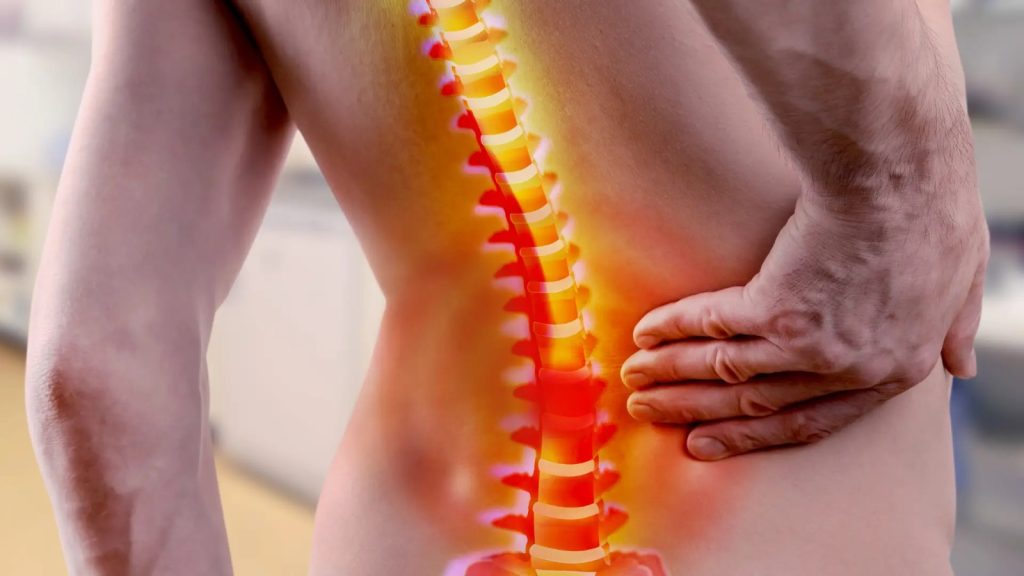
Lumbar Spinal Stenosis
Lumbar Spinal Stenosis is a condition in which the spaces within the lower portion of the spinal canal become narrower. This narrowing can sometimes place pressure on the spinal cord or the nerves traveling into the legs. It is more common with ageing and may develop gradually as a result of changes in the spinal discs, joints, ligaments, or vertebrae.
Some people with lumbar spinal stenosis have few or no symptoms, while others may experience lower back pain, leg discomfort, numbness, or difficulty walking. The severity and type of symptoms can vary depending on the degree and location of narrowing.
At Back In Motion, we take a personalized approach to understanding your symptoms, mobility, strength, walking tolerance, and daily activities. Our rehabilitation strategies are designed to support safe movement and physical function while considering your individual condition.
Common Causes
- Age-related changes in the spine
- Arthritis affecting spinal joints
- Bulging or herniated discs
- Thickening of spinal ligaments
- Bone spurs
- Previous spinal injuries
- Certain structural spinal conditions
Common Symptoms
- Lower back pain or stiffness
- Pain extending into the buttocks or legs
- Tingling or numbness in the legs
- Leg weakness
- Difficulty standing for long periods
- Reduced walking tolerance
- Leg discomfort that may increase with standing or walking
- Symptoms that may improve when sitting or changing position
Assessment & Rehabilitation
At Back In Motion, assessment may include evaluating your posture, spinal and hip mobility, muscle strength, balance, walking pattern, and functional capacity. A healthcare professional may recommend imaging, such as an MRI or X-ray, when clinically appropriate.
A personalized rehabilitation program may include gentle mobility exercises, strengthening exercises, stretching, posture education, balance training, walking strategies, and activity modification.
Exercise selection is based on your symptoms and tolerance. The goal is to maintain physical activity, improve strength and mobility, and support greater independence with everyday activities.
Managing Lumbar Spinal Stenosis
Maintaining an appropriate level of physical activity can help prevent deconditioning. Shorter periods of activity with appropriate rest may be more comfortable for some individuals than prolonged standing or walking. Strengthening the hips, legs, and core can also support functional movement when exercises are appropriately prescribed.
Lifestyle adjustments, ergonomic changes, and learning comfortable movement strategies can further support daily function.
When to Seek Medical Attention
Persistent pain, numbness, weakness, or reduced walking ability should be professionally assessed. Progressive leg weakness, significant difficulty walking, loss of bladder or bowel control, or numbness around the inner thighs or genital area requires urgent medical attention.
With appropriate assessment and individualized rehabilitation, Back In Motion can help you work toward improved strength, mobility, walking confidence, and better everyday function.
Start Your Journey Toward a Pain-Free Life

From back and neck pain to posture-related problems, stiffness, and mobility issues, our goal is to help you move with greater comfort and confidence. With professional care, modern techniques, and a patient-first approach, we are committed to supporting your journey toward better movement, improved well-being, and a healthier, more active lifestyle.
Quick Links
Conditions We Treat
Useful Links
- +91- 8802850371
- info@inmotionphysio.com
- C-26 GF, Main Road (Next to M Block), GK-1, South Delhi, New Delhi – 110048
Copyright © 2024 Clinic. Powered By Bosathemes.