
Sacroiliac Joint Dysfunction
Home > Sacroiliac Joint Dysfunction
Services
Contact Info
Expert chiropractic care for pain relief, improved mobility, and better movement.
+1-(314) 892-2600
24/7 Support for Your Business
Sacroiliac Joint Dysfunction
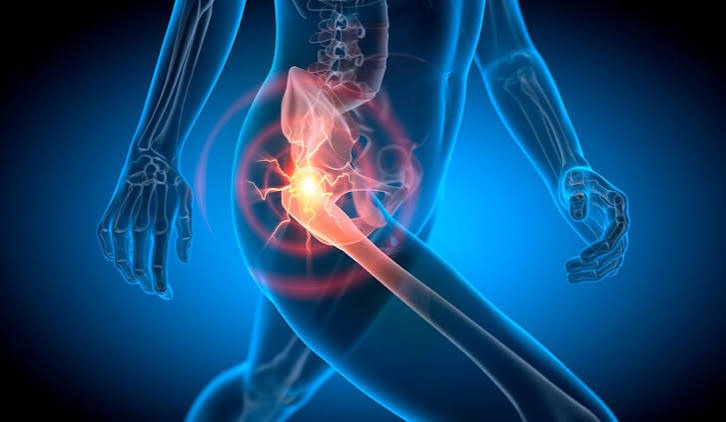
Sacroiliac Joint Dysfunction refers to pain or altered movement involving the sacroiliac (SI) joints, which connect the lower spine to the pelvis. These joints help transfer forces between the upper body and legs during activities such as walking, standing, bending, and changing positions. When the SI joint or surrounding structures become irritated or overloaded, it may contribute to pain around the lower back, buttocks, hips, or pelvis.
SI joint symptoms can develop gradually or following an injury, pregnancy, changes in activity, or altered movement patterns. Because pain in this area can have several possible causes, a proper assessment is important.
At Back In Motion, we take a personalized approach to understanding your symptoms, movement patterns, muscle function, and daily activities to develop an appropriate rehabilitation plan.
Common Causes & Contributing Factors
- Previous falls or injuries
- Sudden changes in physical activity
- Repetitive lifting or twisting
- Prolonged sitting or standing
- Pregnancy-related changes
- Muscle weakness or imbalance around the hips and pelvis
- Differences in movement patterns
- Previous lower-back or pelvic problems
Common Symptoms
- Pain in the lower back or buttock
- Discomfort around one or both sides of the pelvis
- Hip or groin discomfort
- Pain while walking or climbing stairs
- Difficulty standing for long periods
- Discomfort when turning in bed
- Pain when getting in or out of a chair or car
- Stiffness around the lower back and pelvis
Assessment & Rehabilitation
At Back In Motion, assessment may include examining posture, pelvic and hip movement, muscle strength, flexibility, balance, and functional activities. Because several conditions can cause similar symptoms, assessment is important before deciding that the SI joint is the primary source of pain.
Depending on your individual needs, rehabilitation may include mobility exercises, hip and core strengthening, stretching, movement retraining, posture education, activity modification, and appropriate manual techniques.
The goal is to improve comfortable movement, support the muscles around the pelvis, and gradually restore confidence during everyday activities.
Managing SI Joint Dysfunction
Maintaining appropriate physical activity can support strength and mobility. Taking regular breaks from prolonged sitting, avoiding sudden increases in physical workload, using proper lifting techniques, and gradually strengthening the hips and core may help reduce unnecessary stress around the pelvis.
During pregnancy, exercise and treatment should be appropriately modified and discussed with your healthcare provider when necessary.
When to Seek Professional Care
Persistent or worsening pelvic or lower-back pain should be professionally assessed, particularly when it interferes with walking, sleeping, work, exercise, or daily activities. Significant weakness, progressive numbness, loss of bladder or bowel control, or numbness around the inner thighs or genital area requires urgent medical attention.
With appropriate assessment and individualized rehabilitation, Back In Motion can help you work toward improved pelvic stability, mobility, strength, and comfortable everyday movement.
Start Your Journey Toward a Pain-Free Life

From back and neck pain to posture-related problems, stiffness, and mobility issues, our goal is to help you move with greater comfort and confidence. With professional care, modern techniques, and a patient-first approach, we are committed to supporting your journey toward better movement, improved well-being, and a healthier, more active lifestyle.
Quick Links
Conditions We Treat
Useful Links
- +91- 8802850371
- info@inmotionphysio.com
- C-26 GF, Main Road (Next to M Block), GK-1, South Delhi, New Delhi – 110048
Copyright © 2024 Clinic. Powered By Bosathemes.