
Spinal Arthritis
Home > Spinal Arthritis
Services
Contact Info
Expert chiropractic care for pain relief, improved mobility, and better movement.
+1-(314) 892-2600
24/7 Support for Your Business
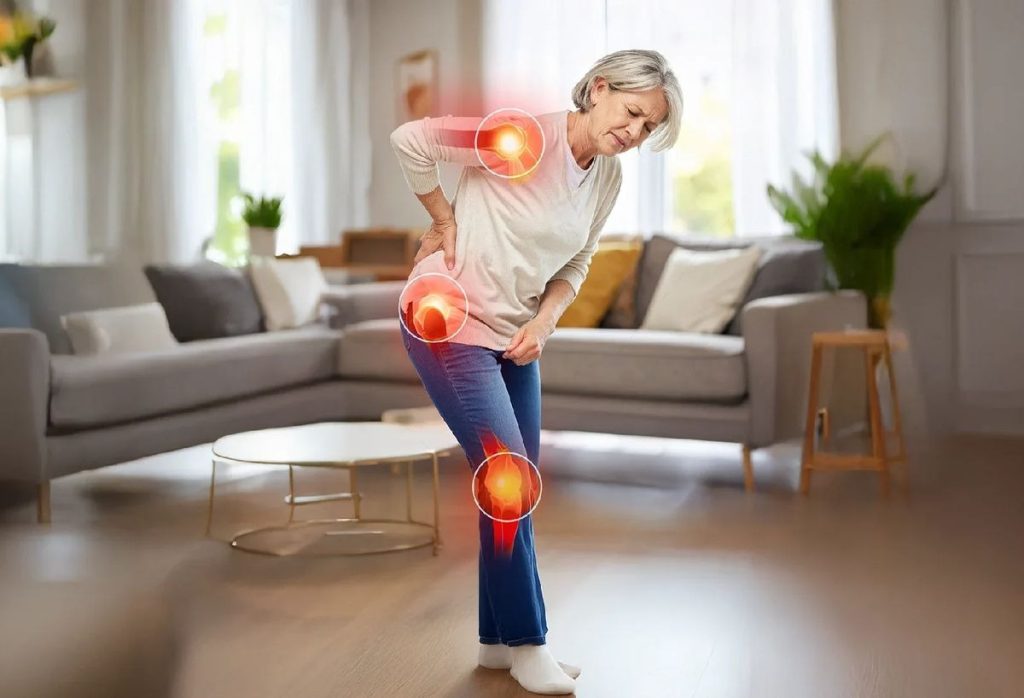
Spinal Arthritis
Spinal Arthritis is a condition that affects the joints and structures of the spine and may lead to pain, stiffness, and reduced mobility. It commonly develops as part of age-related changes, although previous injuries, repetitive stress, posture, and other factors may also contribute. Spinal arthritis can affect the neck, upper back, or lower back, and symptoms can vary from person to person.
At Back In Motion, we focus on understanding the factors contributing to your spinal discomfort and developing an individualized rehabilitation plan designed to support mobility, strength, posture, and everyday function.
Common Causes & Contributing Factors
- Age-related changes in spinal joints
- Wear and tear of joint surfaces
- Previous spinal injuries
- Repetitive physical stress
- Reduced muscle strength
- Prolonged inactivity
- Poor movement patterns
- Excessive mechanical stress on the spine
Common Symptoms
- Neck or back pain
- Morning or after-rest stiffness
- Reduced spinal flexibility
- Pain during certain movements
- Muscle tightness
- Difficulty bending or turning
- Discomfort after prolonged sitting or standing
- Reduced tolerance for physical activities
Assessment & Rehabilitation
At Back In Motion, assessment may include reviewing your symptoms, posture, spinal mobility, muscle strength, flexibility, and functional movement patterns. Depending on your symptoms, a healthcare professional may recommend imaging or further evaluation.
A personalized rehabilitation program may include mobility exercises, strengthening exercises, stretching, posture education, movement retraining, ergonomic guidance, and appropriate manual techniques.
Strengthening the muscles supporting the spine can help improve physical capacity and stability. Mobility exercises can help maintain comfortable movement and reduce the effects of prolonged stiffness. Treatment is always adjusted according to your symptoms, physical condition, and individual goals.
Managing Spinal Arthritis
Regular, appropriate physical activity can play an important role in maintaining spinal function. Taking movement breaks during long periods of sitting, maintaining good posture, strengthening the core and supporting muscles, and gradually increasing activity can help support a healthier and more active lifestyle.
Managing body weight, maintaining healthy daily habits, and using appropriate ergonomic arrangements may also reduce unnecessary mechanical stress on the spine.
When to Seek Professional Care
Persistent or worsening spinal pain should be professionally assessed, particularly if it affects sleep, work, exercise, or daily activities. Progressive weakness, significant numbness, difficulty walking, loss of bladder or bowel control, or numbness around the inner thighs or genital area requires urgent medical attention.
With appropriate assessment and personalized rehabilitation, Back In Motion can help you work toward improved mobility, better strength, and greater confidence in everyday movement while supporting long-term spinal health.
Start Your Journey Toward a Pain-Free Life

From back and neck pain to posture-related problems, stiffness, and mobility issues, our goal is to help you move with greater comfort and confidence. With professional care, modern techniques, and a patient-first approach, we are committed to supporting your journey toward better movement, improved well-being, and a healthier, more active lifestyle.
Quick Links
Conditions We Treat
Useful Links
- +91- 8802850371
- info@inmotionphysio.com
- C-26 GF, Main Road (Next to M Block), GK-1, South Delhi, New Delhi – 110048
Copyright © 2024 Clinic. Powered By Bosathemes.