
Disc Sequestration
Home > Disc Sequestration
Services
Contact Info
Expert chiropractic care for pain relief, improved mobility, and better movement.
+1-(314) 892-2600
24/7 Support for Your Business
Headaches With Neck Pain
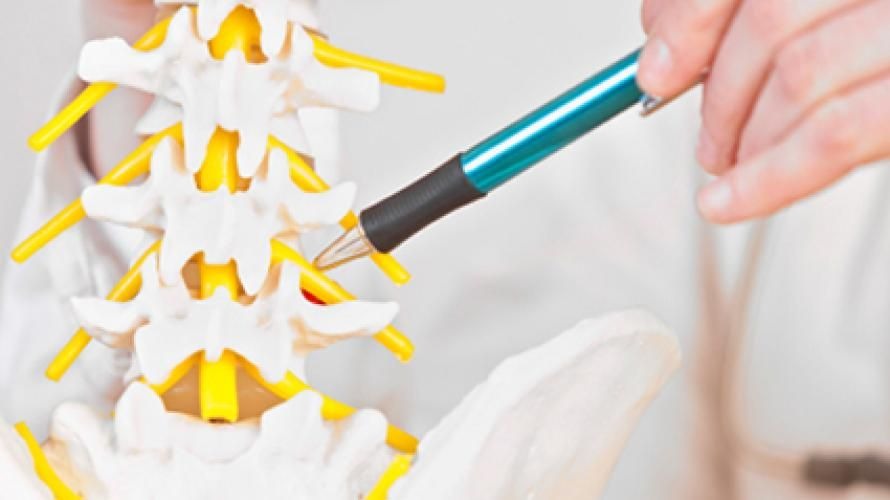
Disc Sequestration is a more advanced form of disc herniation in which a fragment of the inner disc material breaks through the outer layer of the spinal disc and becomes separated from the main disc. The separated fragment may move within the spinal canal and can sometimes irritate or compress nearby spinal nerves. Disc sequestration most commonly occurs in the lower back but can also affect the neck.
Symptoms vary depending on the location of the disc fragment and the nerves involved. Some people may experience significant pain, while others may have relatively mild symptoms. Proper assessment is important to determine the severity of nerve involvement and the most appropriate treatment approach.
At Back In Motion, we focus on understanding your symptoms, movement limitations, neurological signs, and functional needs to support an individualized rehabilitation plan.
Common Causes & Contributing Factors
- Age-related changes in spinal discs
- Repeated bending, lifting, or twisting
- Sudden physical strain
- Previous disc problems
- Spinal injuries
- Repetitive mechanical stress
- Poor lifting or movement techniques
Common Symptoms
- Lower back or neck pain
- Pain extending into the buttock, hip, arm, or leg
- Tingling or pins-and-needles sensations
- Numbness
- Muscle weakness
- Reduced spinal mobility
- Difficulty sitting, standing, walking, or performing certain activities
Assessment & Rehabilitation
A healthcare professional may assess your symptoms, muscle strength, sensation, reflexes, movement, and functional abilities. Imaging, particularly an MRI, may be recommended when clinically appropriate to identify disc changes and nerve involvement.
At Back In Motion, rehabilitation is planned according to your diagnosis, symptoms, neurological status, and medical recommendations. Depending on the individual case, treatment may include gentle mobility exercises, progressive strengthening, posture education, movement retraining, stretching, and activity modification.
Because disc sequestration can involve nerve compression, treatment should not follow a one-size-fits-all approach. High-force or inappropriate spinal techniques may not be suitable when significant neurological involvement is present.
Supporting Recovery
Maintaining appropriate activity within comfortable limits may help prevent excessive deconditioning. Gradual strengthening and movement progression can support a return to daily activities when medically appropriate.
Avoiding prolonged inactivity, using appropriate lifting techniques, and gradually increasing physical demands can also help support long-term spinal health.
When to Seek Urgent Medical Care
Disc sequestration can occasionally cause significant nerve compression. Progressive or severe muscle weakness, loss of bladder or bowel control, numbness around the inner thighs or genital area, or difficulty walking requires urgent medical attention.
If symptoms are persistent or affecting your everyday activities, seek professional evaluation. A qualified healthcare team can determine whether conservative rehabilitation, medical treatment, or other interventions are appropriate.
With appropriate assessment and individualized care, Back In Motion can support your rehabilitation journey while prioritizing safety, mobility, and functional recovery.
Start Your Journey Toward a Pain-Free Life

From back and neck pain to posture-related problems, stiffness, and mobility issues, our goal is to help you move with greater comfort and confidence. With professional care, modern techniques, and a patient-first approach, we are committed to supporting your journey toward better movement, improved well-being, and a healthier, more active lifestyle.
Quick Links
Conditions We Treat
Useful Links
- +91- 8802850371
- info@inmotionphysio.com
- C-26 GF, Main Road (Next to M Block), GK-1, South Delhi, New Delhi – 110048
Copyright © 2024 Clinic. Powered By Bosathemes.