
Back Pain In Children
Home > Back Pain In Children
Services
Contact Info
Expert chiropractic care for pain relief, improved mobility, and better movement.
+1-(314) 892-2600
24/7 Support for Your Business
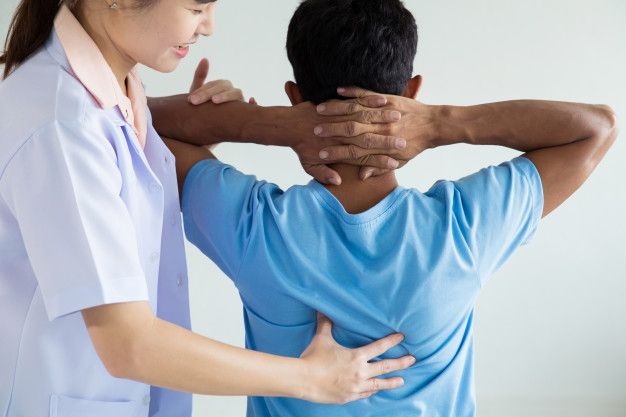
Back Pain in Children
Back pain in children is less common than in adults and should not always be assumed to be caused by poor posture or physical activity. Children may experience back discomfort after sports, falls, repetitive activities, prolonged sitting, or carrying heavy school bags. In some cases, persistent back pain may be associated with an underlying musculoskeletal or medical condition and should be professionally assessed.
At Back In Motion, we take a careful, child-focused approach to understanding back pain. Our goal is to identify possible contributing factors and support healthy movement, strength, posture, and physical development.
Common Causes of Back Pain in Children
- Sports Activities: Repetitive movements, training, jumping, running, or improper technique may place stress on the back.
- Muscle Strain: Sudden movements, lifting, or overuse can cause temporary muscle discomfort.
- Poor Posture: Extended periods of sitting at school, studying, or using digital devices may contribute to stiffness.
- Heavy School Bags: Carrying an excessively heavy backpack or wearing it incorrectly may increase physical strain.
- Limited Physical Activity: Reduced movement can affect flexibility, strength, and overall physical conditioning.
- Injuries: Falls, collisions, or sports-related injuries can cause back pain.
Common Symptoms
Children may describe back pain differently from adults. Parents and caregivers should pay attention to symptoms such as:
- Persistent or recurring back pain
- Back stiffness
- Pain during sports or physical activity
- Reduced flexibility
- Difficulty bending or moving normally
- Pain that affects sleep or daily activities
- Changes in walking or posture
- Avoiding activities they normally enjoy
Assessment & Rehabilitation
At Back In Motion, a professional assessment can help evaluate posture, spinal movement, muscle strength, flexibility, balance, coordination, and activity patterns. Treatment should always be appropriate for the child’s age, development, symptoms, and individual needs.
A rehabilitation program may include age-appropriate strengthening exercises, mobility activities, posture education, movement training, stretching, and guidance for sports or daily activities.
The goal is to help children move comfortably and confidently while supporting healthy physical development. Exercises should be enjoyable, gradual, and appropriate for the child’s abilities rather than overly demanding.
Preventing Back Pain
Parents can encourage healthy habits by helping children stay physically active, take regular breaks from prolonged sitting, maintain good posture, use backpacks correctly, and participate in age-appropriate strengthening and flexibility activities.
Children who participate in sports should also learn appropriate warm-up, recovery, and movement techniques. Sudden increases in training intensity should be avoided.
When to Seek Professional Care
Persistent back pain in a child deserves attention, particularly when symptoms continue for several weeks or interfere with school, sports, sleep, or normal activities. Pain following a significant injury, unexplained weight loss, fever, night pain, weakness, numbness, changes in bladder or bowel function, or difficulty walking requires prompt medical evaluation.
With appropriate assessment and individualized care, Back In Motion can help children develop healthy movement habits and maintain strength, flexibility, and confidence in their everyday activities.
Start Your Journey Toward a Pain-Free Life

From back and neck pain to posture-related problems, stiffness, and mobility issues, our goal is to help you move with greater comfort and confidence. With professional care, modern techniques, and a patient-first approach, we are committed to supporting your journey toward better movement, improved well-being, and a healthier, more active lifestyle.
Quick Links
Conditions We Treat
Useful Links
- +91- 8802850371
- info@inmotionphysio.com
- C-26 GF, Main Road (Next to M Block), GK-1, South Delhi, New Delhi – 110048
Copyright © 2024 Clinic. Powered By Bosathemes.