
Disc Bulge
Home > Disc Bulge
Services
Contact Info
Expert chiropractic care for pain relief, improved mobility, and better movement.
+1-(314) 892-2600
24/7 Support for Your Business
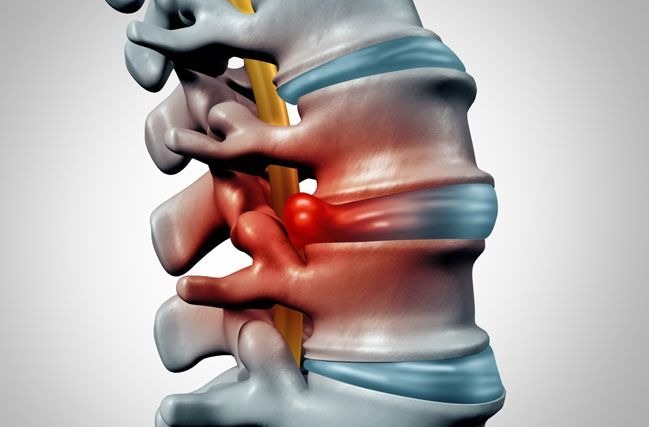
Disc Bulge
A disc bulge occurs when one of the soft discs between the vertebrae extends beyond its normal boundary. Spinal discs act as cushions between the bones of the spine, helping absorb shock and allowing the back and neck to move comfortably. A bulging disc does not always cause symptoms, but in some cases it can irritate or compress nearby nerves and contribute to pain, numbness, tingling, or weakness.
Disc bulges can occur in the lower back or neck and may develop due to age-related changes, repetitive stress, poor movement patterns, or previous injuries. The severity of symptoms can vary significantly from person to person.
Common Causes of Disc Bulge
- Age-related changes in spinal discs
- Repetitive lifting or bending
- Poor posture
- Prolonged sitting
- Sudden or excessive physical strain
- Previous spinal injuries
- Reduced core and supporting muscle strength
- Inadequate movement habits
Common Symptoms
- Localized neck or back pain
- Stiffness and reduced mobility
- Pain spreading into the arm, hip, or leg
- Tingling or pins-and-needles sensations
- Numbness
- Muscle weakness
- Discomfort during prolonged sitting, standing, or certain movements
Chiropractic & Rehabilitation Care
Management should be based on a proper assessment of symptoms, movement, strength, and neurological function. Depending on the individual’s condition, a personalized rehabilitation program may include gentle manual techniques, mobility exercises, stretching, strengthening, posture correction, and activity modification.
Chiropractic treatment should be tailored carefully rather than using the same approach for everyone. The goal is to improve movement, support the muscles around the spine, reduce unnecessary mechanical stress, and gradually restore comfortable daily function.
Lifestyle & Prevention
Maintaining an active lifestyle can support overall spinal health. Regular strengthening and mobility exercises, proper lifting techniques, good posture, ergonomic adjustments, and avoiding prolonged periods in one position may help reduce unnecessary stress on the spine.
A disc bulge does not automatically mean that surgery is required. Many people can manage their symptoms with appropriate conservative care, although treatment depends on the underlying cause and severity.
When to Seek Professional Care
Persistent or worsening pain, numbness, or weakness should be professionally assessed. Sudden severe weakness, loss of bladder or bowel control, or numbness around the inner thighs or genital area requires urgent medical attention.
If you have been diagnosed with a disc bulge, a qualified healthcare professional can help determine the most appropriate treatment and rehabilitation plan for your condition.
Start Your Journey Toward a Pain-Free Life

From back and neck pain to posture-related problems, stiffness, and mobility issues, our goal is to help you move with greater comfort and confidence. With professional care, modern techniques, and a patient-first approach, we are committed to supporting your journey toward better movement, improved well-being, and a healthier, more active lifestyle.
Quick Links
Conditions We Treat
Useful Links
- +91- 8802850371
- info@inmotionphysio.com
- C-26 GF, Main Road (Next to M Block), GK-1, South Delhi, New Delhi – 110048
Copyright © 2024 Clinic. Powered By Bosathemes.