
Pelvic Girdle Pain
Home > Pelvic Girdle Pain
Services
Contact Info
Expert chiropractic care for pain relief, improved mobility, and better movement.
+1-(314) 892-2600
24/7 Support for Your Business
Pelvic Girdle Pain
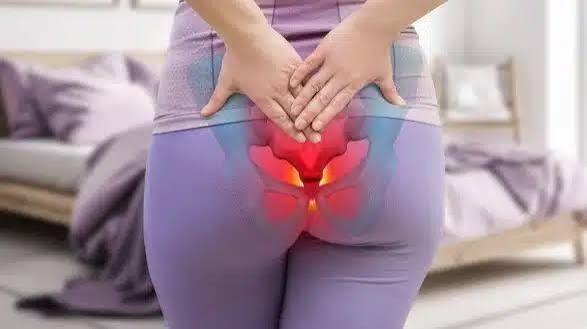
Pelvic Girdle Pain (PGP) refers to discomfort around the joints and structures of the pelvic region. It can affect the front, back, or sides of the pelvis and may sometimes extend toward the lower back, hips, buttocks, or thighs. Pelvic girdle pain can occur during pregnancy, after childbirth, following an injury, or due to changes in movement, muscle function, and load management.
The symptoms and severity can vary from person to person. Some people experience mild discomfort, while others may find walking, climbing stairs, turning in bed, or standing for long periods difficult. An appropriate assessment can help identify contributing factors and guide a suitable treatment approach.
Common Causes of Pelvic Girdle Pain
- Pregnancy: Changes in body weight, posture, hormones, and movement patterns can place additional stress on the pelvic region.
- Muscle Imbalance: Weakness or excessive tension in the muscles around the pelvis, hips, and abdomen may affect movement.
- Injury: Falls, sports injuries, or sudden movements can contribute to pelvic discomfort.
- Postural Changes: Altered posture or movement patterns may increase stress around the pelvis.
- Overuse: Repetitive activities or sudden increases in physical activity can aggravate symptoms.
Common Symptoms
- Pain around the pelvis or pubic area
- Lower back or buttock discomfort
- Hip or groin pain
- Difficulty walking
- Pain when climbing stairs
- Discomfort while standing for long periods
- Difficulty turning in bed
- Pain when getting in or out of a car
- Reduced confidence during movement
Chiropractic & Rehabilitation Care
Management of pelvic girdle pain should be personalized according to the person’s symptoms, stage of pregnancy if applicable, physical condition, and daily activities. A professional assessment can examine posture, movement, strength, flexibility, and the way the pelvis and surrounding muscles work together.
A suitable care plan may include gentle manual techniques, mobility exercises, strengthening exercises, posture education, movement retraining, and activity modification. During pregnancy, exercises and hands-on techniques should be selected carefully and adapted to the individual’s needs.
The goal is to improve comfortable movement, support pelvic stability, reduce unnecessary strain, and help you manage everyday activities more confidently.
Managing Pelvic Girdle Pain
Maintaining appropriate activity rather than complete inactivity may be helpful for many people. Avoiding movements that consistently aggravate symptoms, using supportive positions when resting, taking regular movement breaks, and gradually building strength can support recovery.
If pelvic pain is persistent, severe, or interfering with walking and daily activities, professional evaluation is recommended. Pregnant individuals with new or severe pain should also discuss their symptoms with their healthcare provider.
With appropriate assessment and an individualized rehabilitation plan, many people can work toward better mobility, improved function, and greater confidence in everyday movement.
Start Your Journey Toward a Pain-Free Life

From back and neck pain to posture-related problems, stiffness, and mobility issues, our goal is to help you move with greater comfort and confidence. With professional care, modern techniques, and a patient-first approach, we are committed to supporting your journey toward better movement, improved well-being, and a healthier, more active lifestyle.
Quick Links
Conditions We Treat
Useful Links
- +91- 8802850371
- info@inmotionphysio.com
- C-26 GF, Main Road (Next to M Block), GK-1, South Delhi, New Delhi – 110048
Copyright © 2024 Clinic. Powered By Bosathemes.