
Spondyloarthropathies
Home > Spondyloarthropathies
Services
Contact Info
Expert chiropractic care for pain relief, improved mobility, and better movement.
+1-(314) 892-2600
24/7 Support for Your Business
Spondyloarthropathies
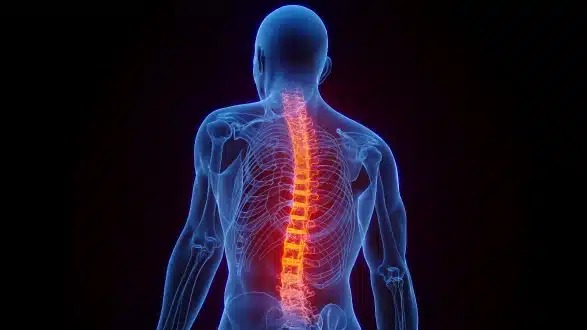
Spondyloarthropathies are a group of inflammatory conditions that primarily affect the spine, sacroiliac joints, and sometimes other joints and areas where tendons or ligaments attach to bone. They can cause persistent pain, stiffness, and reduced mobility. Conditions within this group include ankylosing spondylitis, psoriatic arthritis, reactive arthritis, and enteropathic arthritis.
Symptoms can vary significantly from person to person. Unlike mechanical back pain, inflammatory back pain may be worse after periods of rest and can improve with appropriate movement. Early assessment and appropriate management can help maintain mobility and physical function.
Common Symptoms
- Persistent lower back or buttock pain
- Morning stiffness
- Pain or stiffness that improves with movement
- Reduced spinal flexibility
- Hip or other joint discomfort
- Swelling of certain joints
- Heel or tendon pain
- Fatigue
- Reduced physical activity
Common Conditions
- Ankylosing Spondylitis: Primarily affects the spine and sacroiliac joints.
- Psoriatic Arthritis: May affect the spine and peripheral joints in people with psoriasis.
- Reactive Arthritis: Can develop following certain infections.
- Enteropathic Arthritis: Associated with inflammatory bowel diseases such as Crohn’s disease and ulcerative colitis.
- Juvenile Spondyloarthritis: Affects children and adolescents.
Exercise & Rehabilitation
Management should be personalized and coordinated with appropriate medical care. A rehabilitation program may include mobility exercises, posture training, strengthening, flexibility exercises, breathing exercises, and activity guidance.
Regular, appropriately prescribed movement can help maintain spinal mobility, muscle strength, posture, and physical function. Exercises should be adjusted according to symptoms and disease activity rather than following a generic program.
Chiropractic Care
Because spondyloarthropathies involve inflammatory processes, chiropractic treatment should be approached carefully. A thorough assessment is important before considering any manual therapy. Depending on the individual’s condition, gentle techniques and exercise-based rehabilitation may be more appropriate than high-force spinal manipulation.
When to Seek Professional Care
Persistent back pain, significant morning stiffness, recurring joint swelling, or unexplained symptoms should be professionally evaluated. Early diagnosis of inflammatory spinal conditions can help guide appropriate treatment and long-term management.
If you are experiencing symptoms associated with a spondyloarthropathy, consult a qualified healthcare professional for an accurate diagnosis and individualized care plan. With appropriate medical management, exercise, and rehabilitation, many people can maintain mobility, physical function, and an active lifestyle.
Start Your Journey Toward a Pain-Free Life

From back and neck pain to posture-related problems, stiffness, and mobility issues, our goal is to help you move with greater comfort and confidence. With professional care, modern techniques, and a patient-first approach, we are committed to supporting your journey toward better movement, improved well-being, and a healthier, more active lifestyle.
Quick Links
Conditions We Treat
Useful Links
- +91- 8802850371
- info@inmotionphysio.com
- C-26 GF, Main Road (Next to M Block), GK-1, South Delhi, New Delhi – 110048
Copyright © 2024 Clinic. Powered By Bosathemes.