
Sciatica
Home > Sciatica
Services
Contact Info
Expert chiropractic care for pain relief, improved mobility, and better movement.
+1-(314) 892-2600
24/7 Support for Your Business
Sciatica
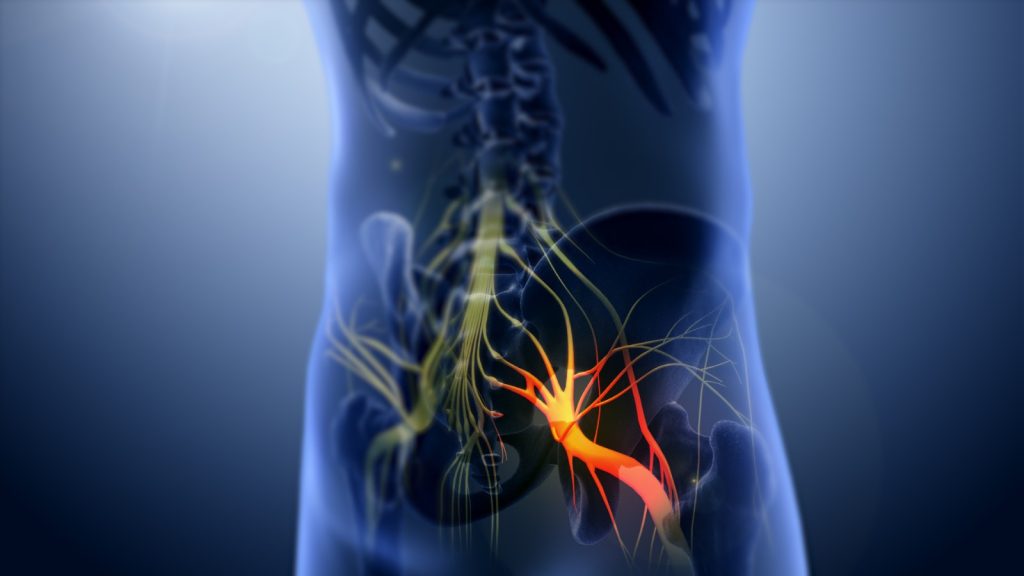
Sciatica refers to pain or other symptoms that travel along the pathway of the sciatic nerve, which runs from the lower back through the hips and buttocks and into the legs. It usually occurs when a nerve root in the lower spine becomes irritated or compressed. Sciatica can affect one side of the body and may cause pain, tingling, numbness, or weakness.
At our Chiropractic Care Clinic in South Delhi, we take a personalized approach to understanding the factors contributing to your symptoms. Our focus is on improving movement, supporting mobility, and helping you return to everyday activities safely.
Common Causes of Sciatica
- Herniated Disc: A disc may bulge or herniate and irritate a nearby nerve.
- Spinal Stenosis: Narrowing of the spinal canal or nerve pathways can place pressure on spinal nerves.
- Bone Spurs: Age-related changes in the spine may sometimes contribute to nerve irritation.
- Spondylolisthesis: One vertebra may shift relative to another and potentially affect nearby nerves.
- Muscle or Movement Problems: Certain movement patterns or muscular issues may contribute to irritation around the lower back and hip.
Common Symptoms
Sciatica symptoms can vary depending on the affected nerve and the severity of irritation. Common symptoms include:
- Pain in the lower back or buttock
- Pain extending into the thigh or leg
- Tingling or “pins and needles”
- Numbness
- Muscle weakness
- Difficulty sitting or standing comfortably
- Increased discomfort with certain movements
Chiropractic Care for Sciatica
Treatment for sciatica should be based on an appropriate assessment of your symptoms and physical condition. Depending on the underlying cause, a personalized care plan may include gentle chiropractic techniques, mobility exercises, stretching, strengthening, posture education, and activity modification.
The objective is to improve movement, reduce unnecessary strain, support surrounding muscles, and gradually restore functional activity. Treatment should always be adjusted according to your symptoms and tolerance rather than following a one-size-fits-all approach.
Lifestyle & Prevention
Maintaining regular physical activity, developing core and lower-body strength, practicing good posture, and avoiding prolonged periods in one position may help support a healthier back. Using proper techniques when lifting objects and gradually increasing physical activity can also help reduce unnecessary stress on the lower spine.
When to Seek Professional Care
Persistent or recurring symptoms should be professionally evaluated, particularly when pain is accompanied by numbness or weakness. Sudden or worsening weakness, loss of bladder or bowel control, or numbness around the inner thighs or genital area requires urgent medical attention.
With appropriate assessment and individualized care, many people with sciatica can work toward improved mobility and a more comfortable return to daily activities.
Start Your Journey Toward a Pain-Free Life

From back and neck pain to posture-related problems, stiffness, and mobility issues, our goal is to help you move with greater comfort and confidence. With professional care, modern techniques, and a patient-first approach, we are committed to supporting your journey toward better movement, improved well-being, and a healthier, more active lifestyle.
Quick Links
Conditions We Treat
Useful Links
- +91- 8802850371
- info@inmotionphysio.com
- C-26 GF, Main Road (Next to M Block), GK-1, South Delhi, New Delhi – 110048
Copyright © 2024 Clinic. Powered By Bosathemes.